Home · Medina · Medina by bike
Visiting Medina by bike
More than 50 places of the Sirah, on the cycle lanes, by electric bike. Come with me on my route, part by part, with nothing cut.
Why by bike?
For years, I showed you these places on foot, by car, on live. But on foot it takes a long time, it is tiring, and in the middle of summer it is almost impossible. By car, you cannot see many of these places.
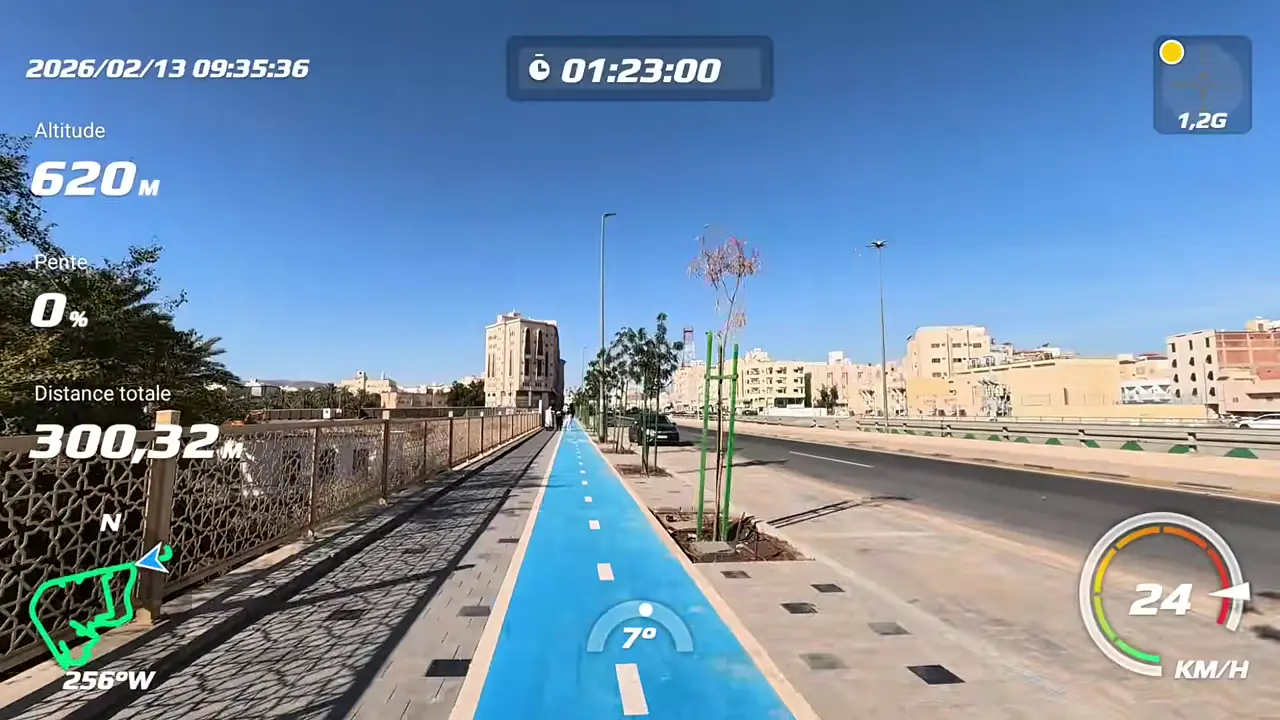
Today, Medina has cycle lanes, a well-protected blue lane, and self-service electric bikes, with the Careem app. So I put together a route. You take the bike, push off on the pedals, and ride along the road that the Messenger of Allah ﷺ took 1,400 years ago.
I was among the first to do it and film it. I left the timer running in my videos, without cutting, so that you can see it is doable. And I did it in the order of the route, not in the order of history: otherwise, it would take too long.
Abou Ahmed, Medina
The roots of Medina, up to the Hijrah gate
We start from the Quba bike station. For now, we leave the mosque aside. We start at the beginning: the families who, without knowing it, prepared the coming of the Prophet ﷺ to this city. At the station, turn right, keep straight on, and follow the blue lane. At the bridge, turn left.
The estate of Uhayha ibn al-Julah and its forts
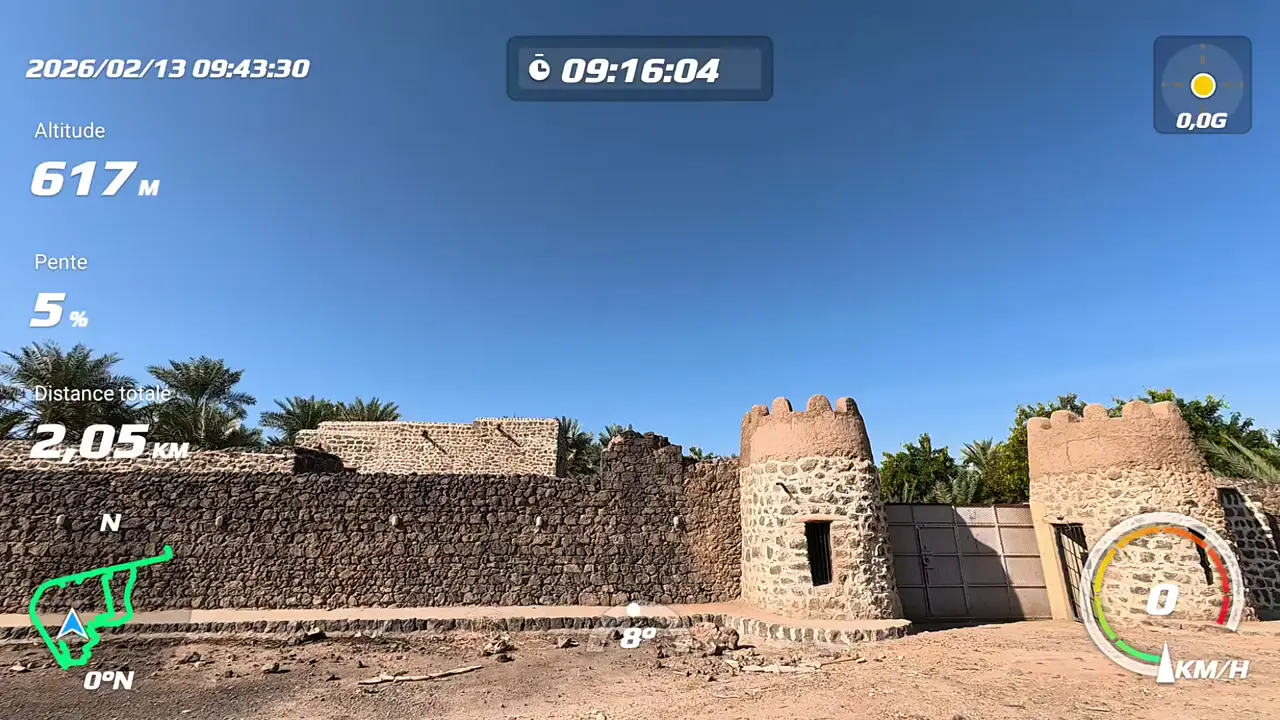
Less than 2 minutes by bike, and you are in the Arabia of the 5th century, about a hundred years before the birth of the Prophet ﷺ. All this land belonged to a warlord everyone feared: Uhayha ibn al-Julah. He owned 99 wells in the Quba and al-Usba area. In an oasis lost in the desert, water is life, and water is power. Owning 99 wells meant controlling the palm groves, the harvests, and the men who depended on them.
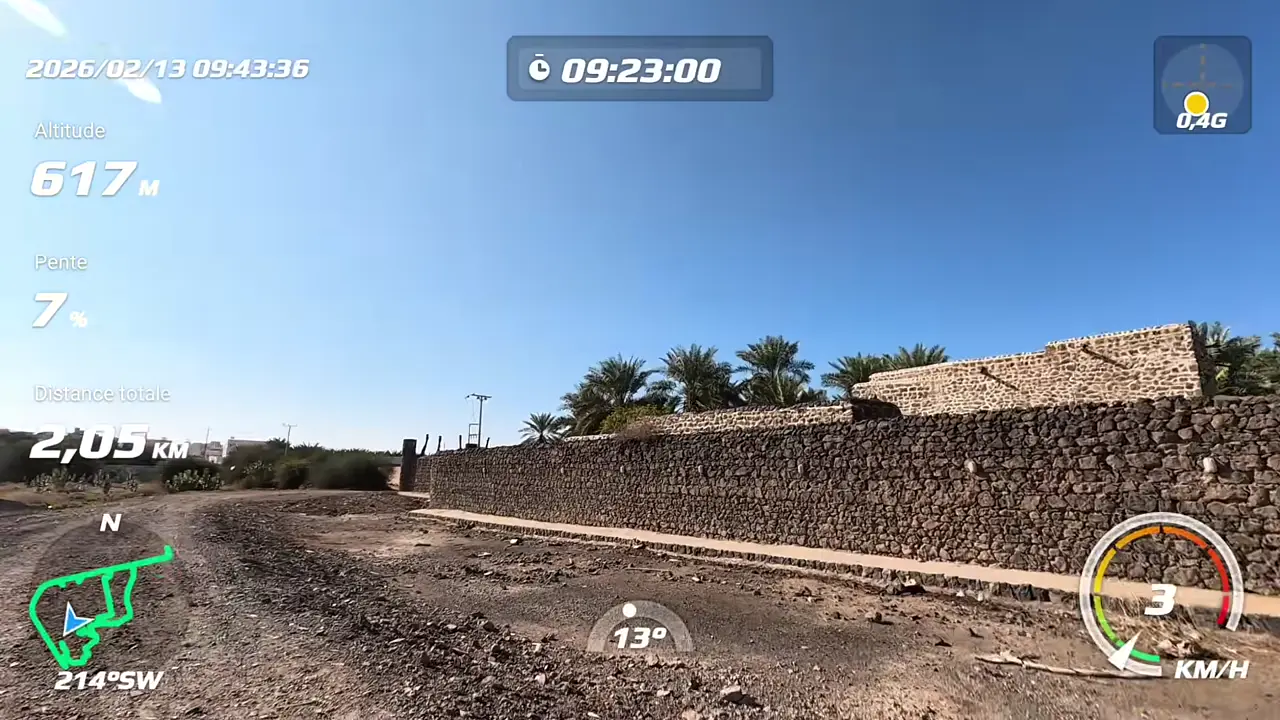
He had built forts that he said were the strongest of all the Arabs. 4 years ago, when I showed you this place, everything was buried under the earth. The Saudi authorities cleared it all, stone by stone: the forts, the ramparts, the wells, an old house. And it is not finished.
▶ Watch this part in my video (3:20)The fort's page
Salma, the Prophet's ﷺ great-grandmother
Behind this hard lord, there is a woman: Salma bint Amr, of the Banu an-Najjar clan. A prosperous merchant, who organised her own caravans from Syria to Yemen, respected by all. She married him, but on her own terms: she would stay at home and keep her business. They had two children.
The narrations say that one day, her husband prepared an attack on her clan. She found a trick to make him fall asleep exhausted, came down from the fort and went to warn her people. "You are my husband, but they are my blood." They separated.
Later, at the market, Salma met Hashim of Makkah, the man of the winter and summer caravans, who fed the people during the famine. Once again, her conditions: she would stay in Medina, and the children would stay with her. From this marriage was born Shayba, with a white lock in his hair. He would be called Abd al-Muttalib: the grandfather of the Prophet ﷺ. Hashim died on a journey, in Gaza, and years later his brothers came to fetch the child to take him back to Makkah, where he would become the guardian of the Kaaba.
That is why, on arriving in Medina, the Prophet ﷺ would say of these people: they are my family.
"Are they better, or the people of Tubba' and those before them? We destroyed them, for they were criminals."
Surah ad-Dukhan, 44: 37. Tubba', king of Yemen, had come to destroy Yathrib before giving up the idea.The drums monument and the Medina gate
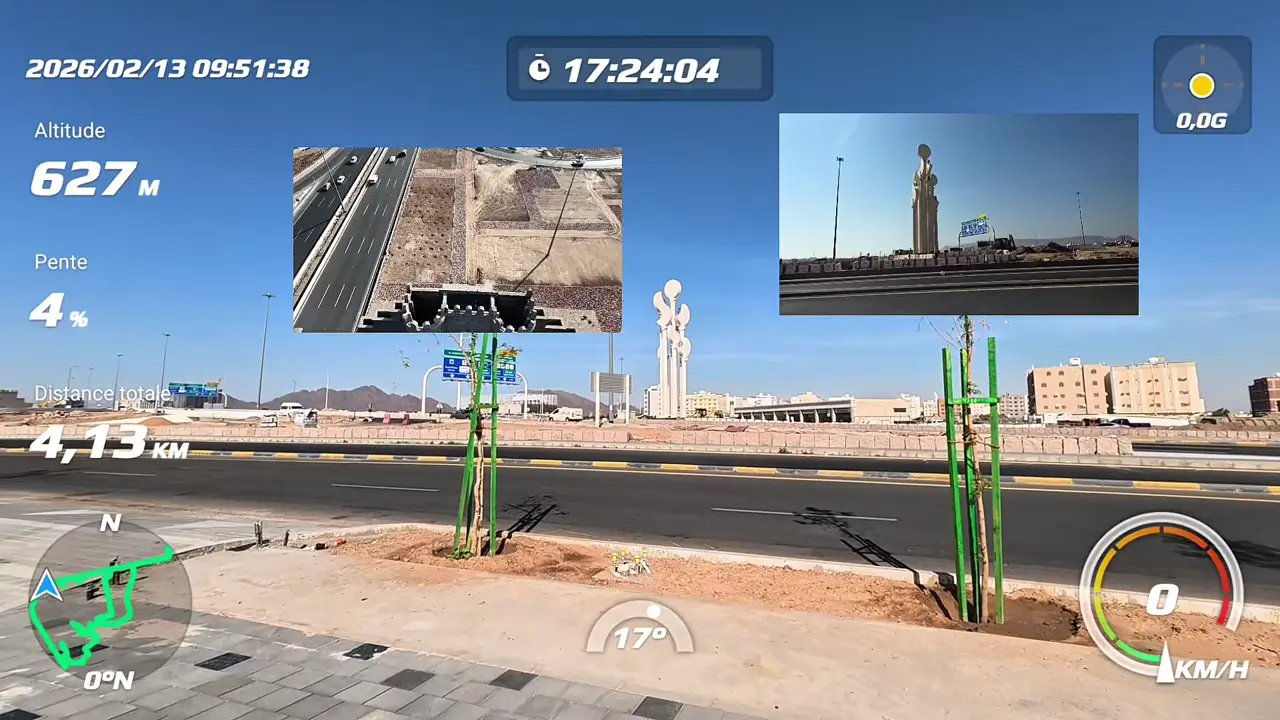
As you set off again, you see a monument with hands and drums, and just opposite, the Medina gate, like a drawbridge. They are there because this is where the Prophet ﷺ entered the city. The drums stand for the songs that welcomed him.
When he left Makkah, there was a manhunt: a reward of 100 camels for whoever brought him back. And by passing through this gate, he came under the protection of Allah, of his family and of the people of the city. This is where it all begins.
▶ Watch this part (16:50)The gates of MedinaThe path of the Hijrah
Al-Usba mosque and the well of Salim
We ride along cemetery no. 1 (Medina has about fifty, each with its own sign and number), then on the left, we go into a palm grove. Do not be afraid to go in, do not ring, do not ask: the gate is open from the morning, around 5 or 6 am, until about 9 pm. It is a place of the Sirah, everyone comes here. There is even a date shop.
Inside, there is a small historic mosque and its well. Before the Prophet ﷺ arrived, this is where the first emigrants from Makkah prayed together, behind Salim, the freed slave of Abu Hudhayfa, because he knew the most Quran. Later, Umar said of him, on his deathbed, that he would have entrusted him with the caliphate without hesitation.
Ibn Umar reported: "When the first emigrants arrived at al-Usba, a place in Quba, before the arrival of the Prophet ﷺ, it was Salim, the freed slave of Abu Hudhayfa, who led them in prayer. He was the one who knew the most Quran."
Sahih al-Bukhari 692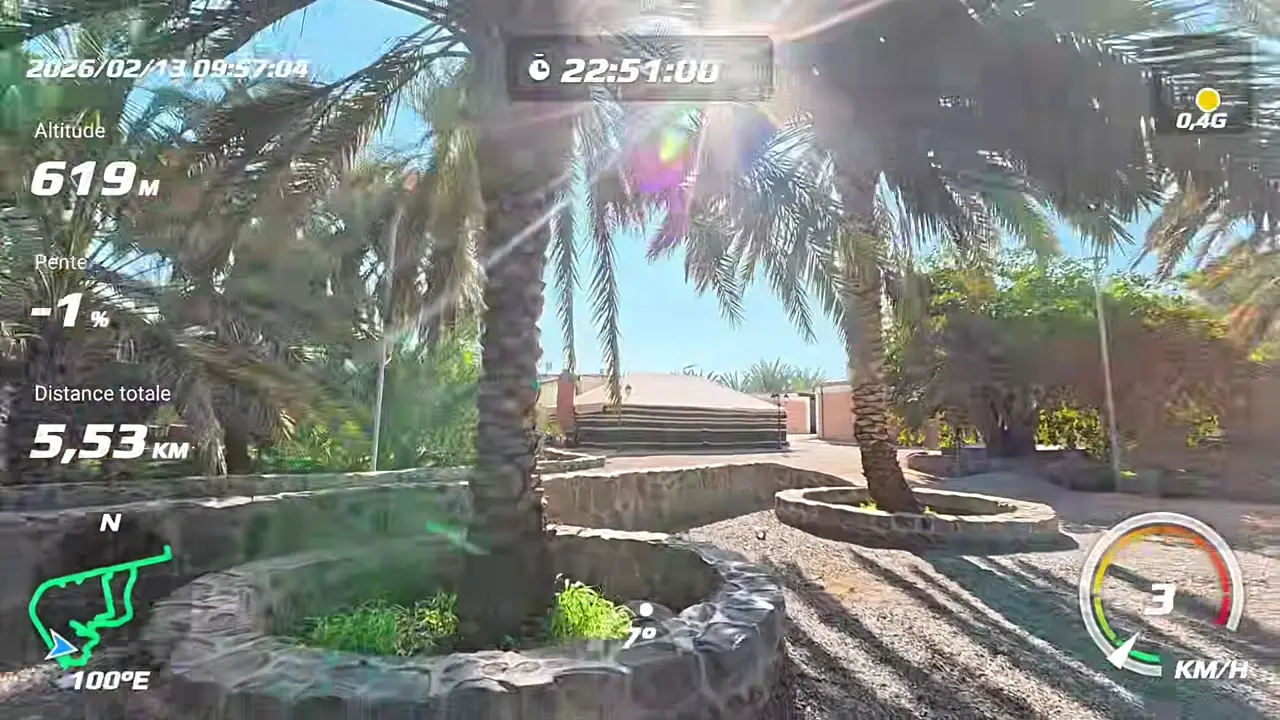
▶ Watch this part (19:56)The page on al-Usba mosque
The long gravel path leading to it is the route from the Medina gate to here. Walk it rather than ride it: the wheels slip.
The way back: "Tala'a l-badru 'alayna"
We head back towards Quba. The people of Medina waited for the Prophet ﷺ every morning, until the heat became unbearable. Then a man, from the top of a lookout tower, saw him and cried out. The whole city rushed out, palm branches in hand. It is this moment that the song everyone here knows recalls: "The full moon has risen over us…"
Around the palm grove, there is major building work: a park, restaurants, a lake. In a few years, this route will be very busy. You will have been among the first to do it.
- Start and finish: Quba bike station. A single 30-minute session.
- Al-Usba mosque: palm grove open roughly from 5-6 am to 9 pm, free entry.
- The gravel path: on foot, not by bike.
- The best time: in the morning, after Fajr, when it is cool.
On-the-ground tip · Abou Ahmed, Medina, February 2026
Quba, the first mosque of Islam
We leave the bike. Here we are at Quba Mosque, open 24 hours a day, 7 days a week. But before going in, we need to go back 13 years: 13 years of persecution in Makkah, where being a Muslim was a crime. The first Muslims left everything behind, their homes, their trade, their city, to come here, about 450 km away.
The arrival palm grove and the shade
Just opposite the mosque is the arrival palm grove, fully renovated, with explanations. This is where the Prophet ﷺ was welcomed. The people had never seen him. Everyone gathered around Abu Bakr, thinking it was him. The Prophet ﷺ sat down without a word. Then the sun fell on his face, Abu Bakr stood up and shaded him with his cloak. And then everyone understood.
"The sun reached the Messenger of Allah ﷺ, so Abu Bakr came and shaded him with his cloak. Then the people recognised the Messenger of Allah ﷺ."
Sahih al-Bukhari 3906, account of the Hijrah reported by Urwa ibn az-Zubayr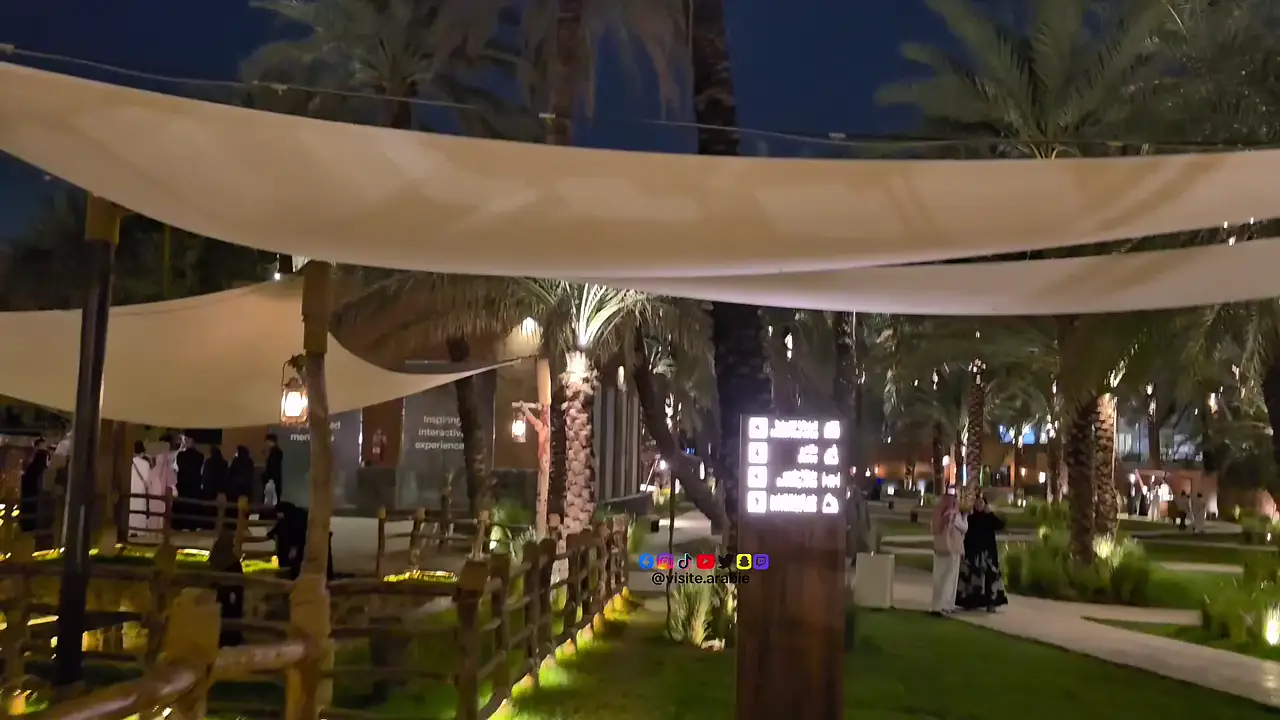
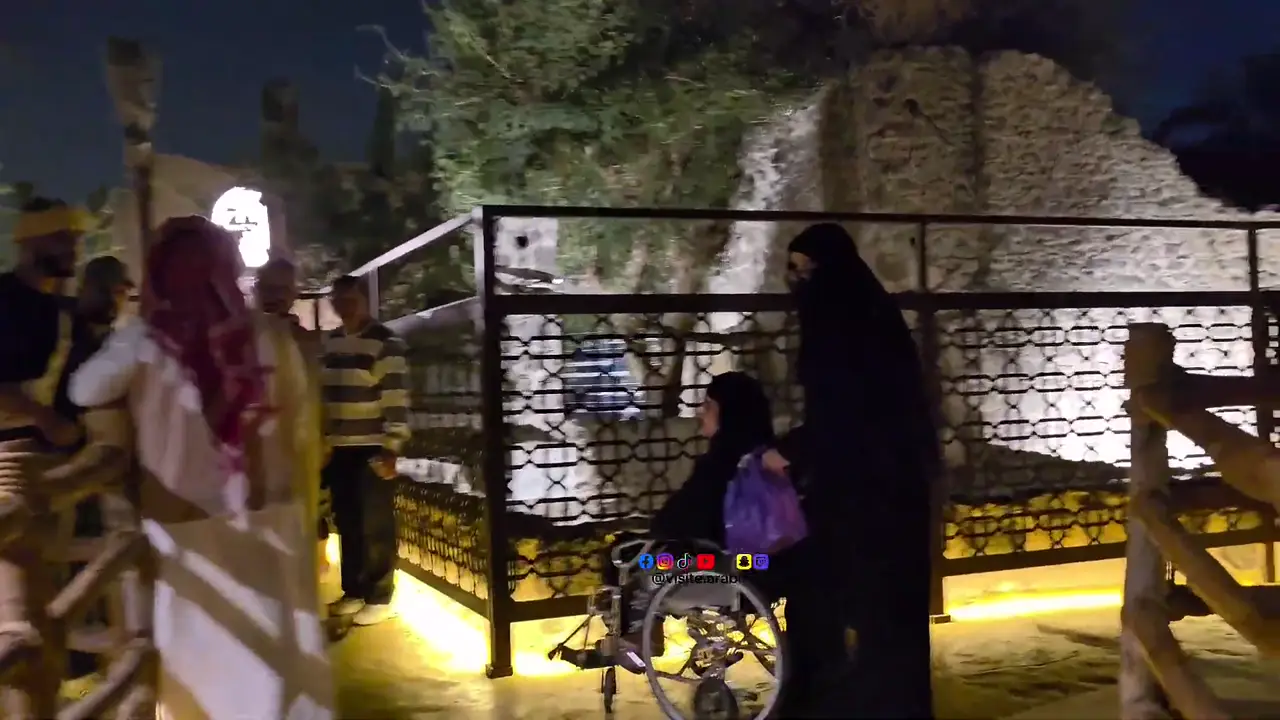
In the palm grove there is the well, and its water is free: they give you cups and you drink as much as you like. The path is wheelchair accessible. There are also sellers of perfume, dates and incense, drinks, toilets, and very affectionate little cats. Take a bag of cat biscuits with you.
The house of Kulthum ibn al-Hidm
At night, the Prophet ﷺ slept at the home of a generous-hearted Companion, Kulthum ibn al-Hidm, who opened his house to him to receive people. It disappeared with the expansion of the mosque, which is understandable given the number of visitors each year, but you can see where it stood.
The page on the house of Kulthum
Quba Mosque
Before it was a mosque, it was a small raised plot where dates were dried. The first builder was the Prophet ﷺ: he laid the first stone, then Abu Bakr, then Umar. He was seen covered in dust, his back bent, carrying stones. It is not money that gives a mosque its worth, it is the intention.
"A mosque founded on piety from the first day is more worthy of your standing in it to pray. In it are men who love to purify themselves, and Allah loves those who purify themselves."
Surah at-Tawbah, 9: 108"Whoever purifies himself in his house, then comes to Quba Mosque and offers a prayer there, will have a reward like that of an Umrah."
Sunan Ibn Majah 1412, reported by Sahl ibn Hunayf; graded authentic by al-AlbaniSo make your ablutions at the hotel, come, and pray two rak'ahs. Sit down, read a little Quran, reflect. The men's side is on the right; the women's entrance is on the other side, by the two minarets. It is free and open day and night.
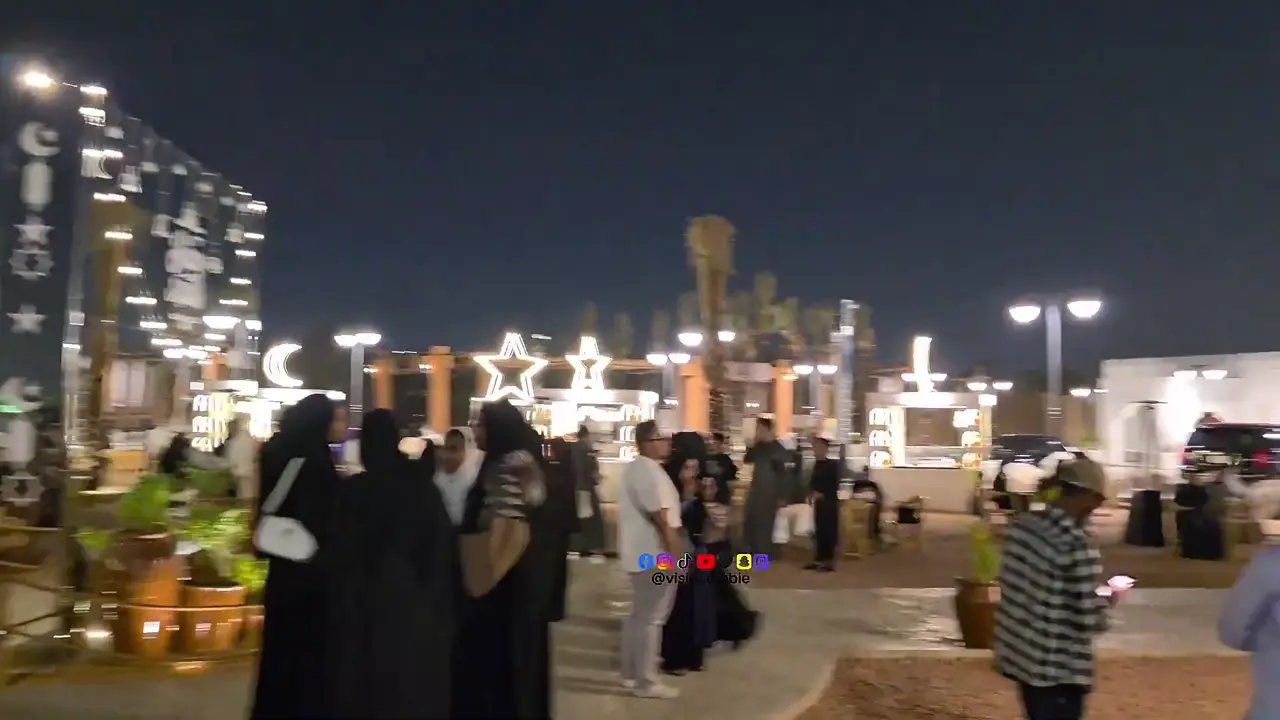
▶ Watch this part (16:49)All about Quba Mosque
The well of the ring
On your way out, look at the sign and the mark on the ground: it is the well of Aris, known as the well of the ring. One day, Abu Musa al-Ash'ari followed the Prophet ﷺ here and sat at the gate to be his "doorkeeper". Abu Bakr arrived: "Let him in and give him the glad tidings of Paradise." Then Umar, then Uthman.
The ring of the Prophet ﷺ, which he used as a seal, passed to Abu Bakr, then to Umar, then to Uthman. And it was into this well that it fell, in the time of Uthman. It was searched for over several days, but never found.
The account of Abu Musa at the well of Aris: Sahih al-Bukhari 3674. The ring falling into the well of Aris in the time of Uthman: Sahih al-Bukhari 5879.
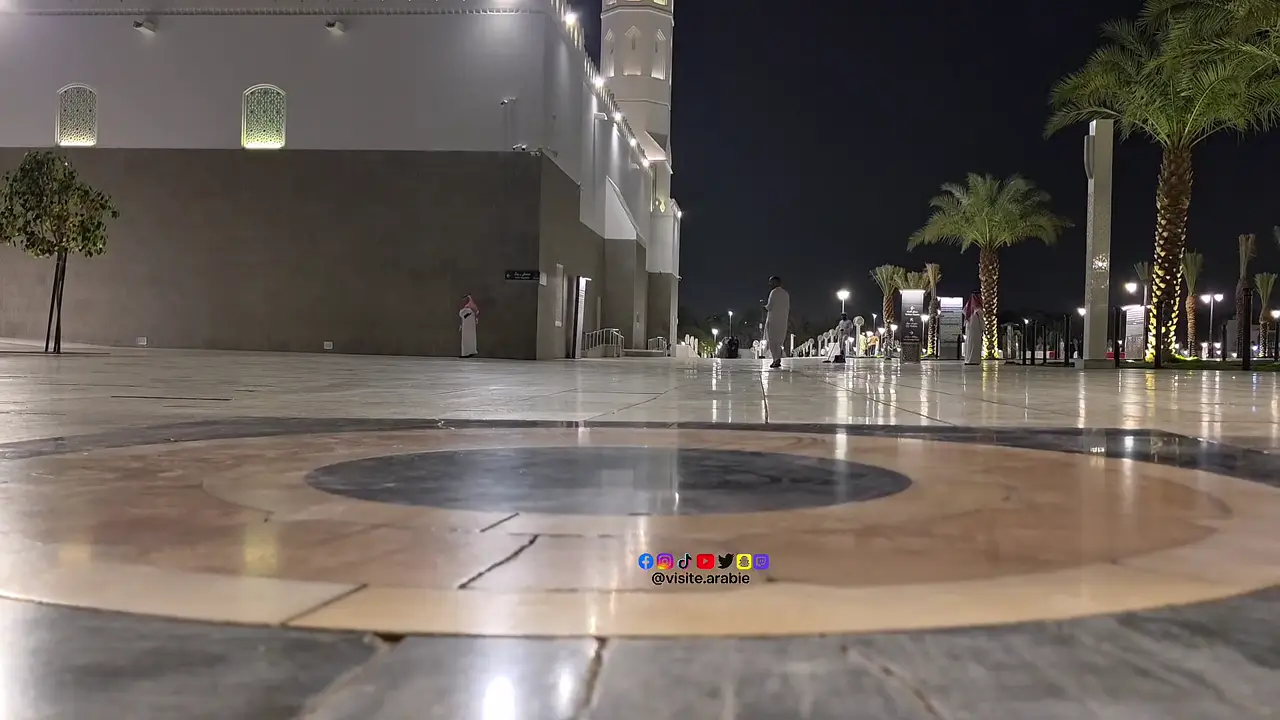
▶ Watch this part (28:50)The page on the well of the ring
Eat, drink, take a break
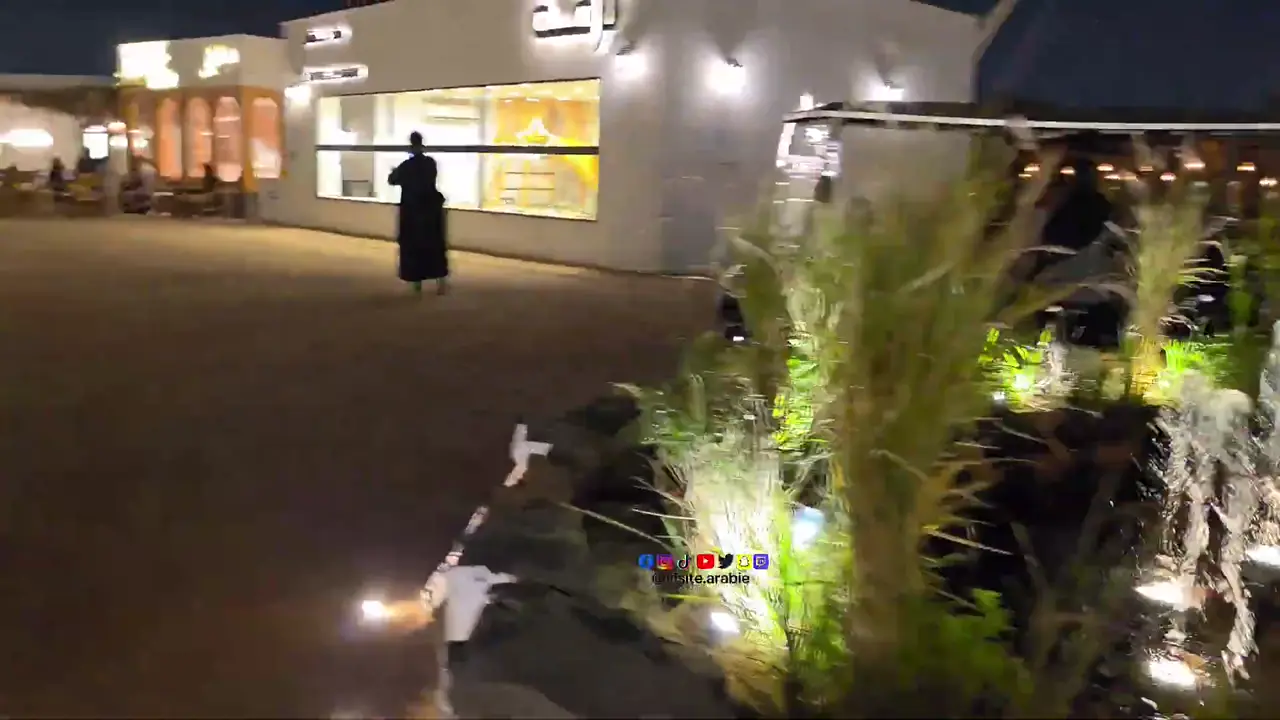
Just opposite, there is a set of restaurants from different brands, all built the same way, with their names in the same colour: it is to preserve the architecture of Quba. There is a childcare area if you want a breather as a couple, and terraces with a view of the white mosque. A little further on is the Milaf complex: Saudi companies selling dates, coffee and cakes. A tea costs 1 or 2 €. Many Saudi families spend the evening there. It is very safe, day and night.
The fort of Banu Wafiq
5 minutes' walk from Quba, the Banu Wafiq tribe had one of the biggest forts in Medina. The Prophet ﷺ came to pray with them. During the Battle of the Trench, when thousands of confederates besieged the city in the middle of winter, it was in forts like this one that the women, children and elderly took refuge. A month of cold and hunger, then Allah sent a wind that swept away the camps, and the enemy fled without a fight. The fort is being restored.
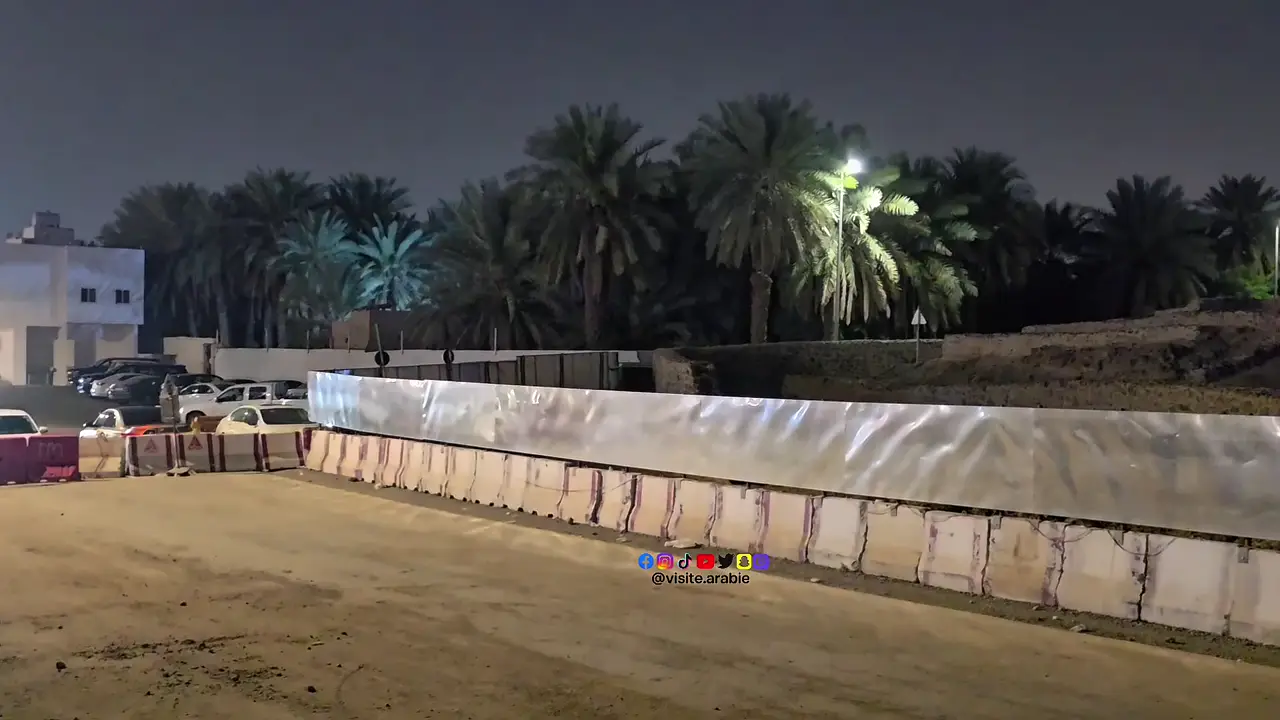
▶ Watch this part (36:35)The page on the fort of Banu Wafiq
The mosque of young Talha ibn al-Bara'
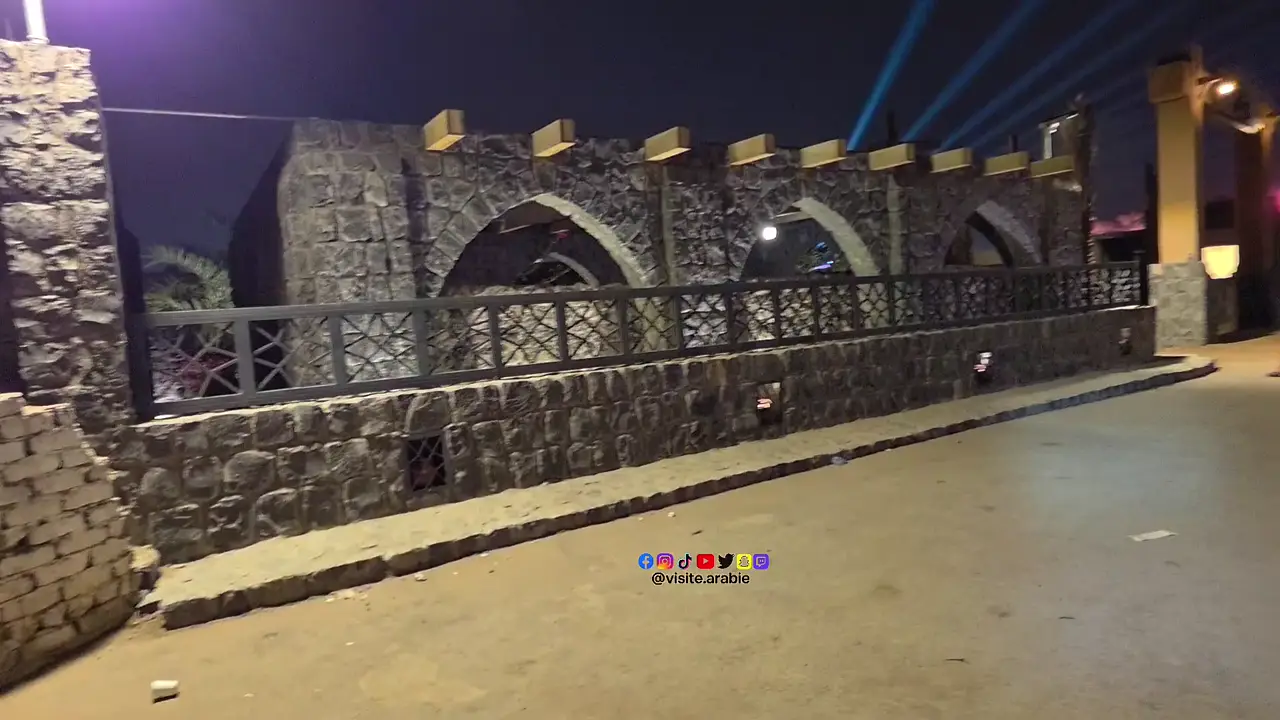
Very close by, in the garden of the Banu Unayf, there is a fully renovated mosque, open 24/7, even at night, lit up. It tells the story of a young Companion of about fifteen, Talha ibn al-Bara'. When the Prophet ﷺ arrived, he threw himself into his arms and wanted to stay by his side. Later, he fell seriously ill. The Prophet ﷺ came to visit him. And this young man told his parents: if I die, do not trouble him, he already has so many worries. He died during the night, and they buried him without telling him. When the Prophet ﷺ learned of it, he came to his grave and made du'a for him.
▶ Watch this part (42:17)The mosque's page
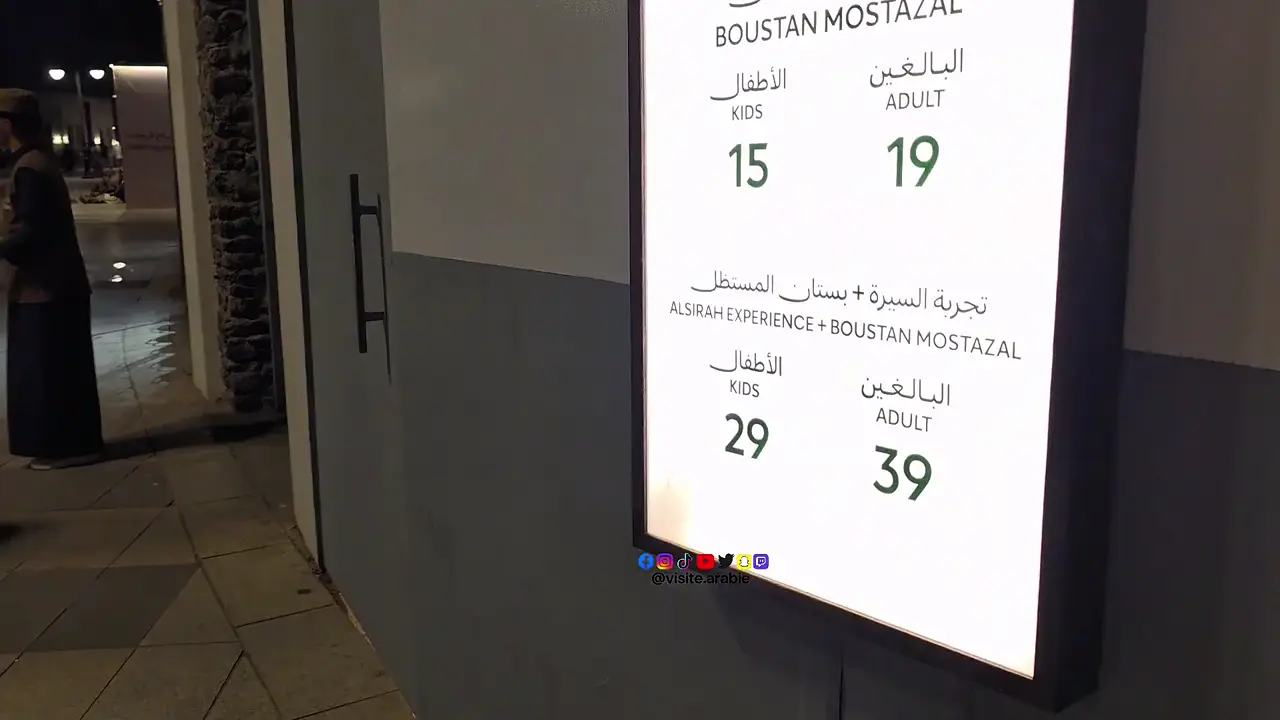
- Arrival palm grove: 19 riyals per adult, 15 riyals per child, cash or card. With the interactive cinema: 39 riyals adult, 29 riyals child (board at the entrance). About 1 hour per ticket, more flexible when it is quiet. Open late in the evening.
- An interactive cinema tells the story of the Prophet's ﷺ arrival in animation (filming is not allowed inside).
- Quba Mosque: free, 24/7. If you do not want to pay for the palm grove, go straight in to pray.
- Dates: a shop just opposite the mosque, next to the palm grove.
- Allow about 1 h 20 with a tea break.
Checked on the ground by Abou Ahmed, February 2026. Prices may change.
From Banu an-Nadir to the Friday mosque
We pick up a bike again at the Quba station. This part needs a little more fitness: about 8 km for the first session. We cross the big coach park and ride along the fort right next to Quba.
The Banu an-Nadir district
When he arrived, the Prophet ﷺ had brought all the tribes of Medina together in a pact: to live together and defend each other. The Banu an-Nadir, a wealthy Jewish tribe with many forts, lived just behind Quba. The Prophet ﷺ came to them with Abu Bakr, Umar and Ali to settle a compensation payment. They had him sit at the foot of a wall. Meanwhile, they planned to drop a stone on him from the top of the fort. Allah informed him of it, and he got up and went back to Medina. They were expelled to Khaybar.
"It is He who drove those of the People of the Book who disbelieved out of their homes at the first exile."
Surah al-Hashr, 59: 2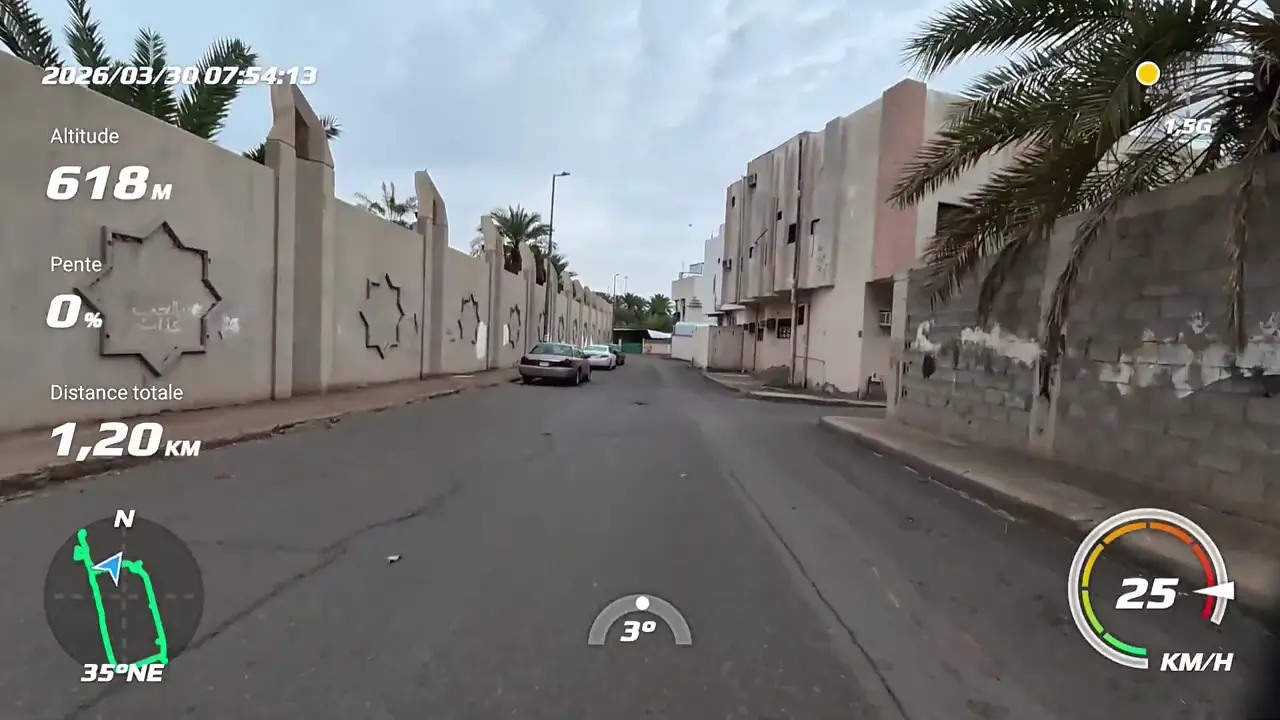
The palm groves of Abd ar-Rahman ibn Awf and the well of Abu Salama
On the right are the palm groves of Abd ar-Rahman ibn Awf. He arrived in Medina with nothing, refused to be given anything and simply asked: "Show me the market." He went on to become the richest and most generous of the Muslims.
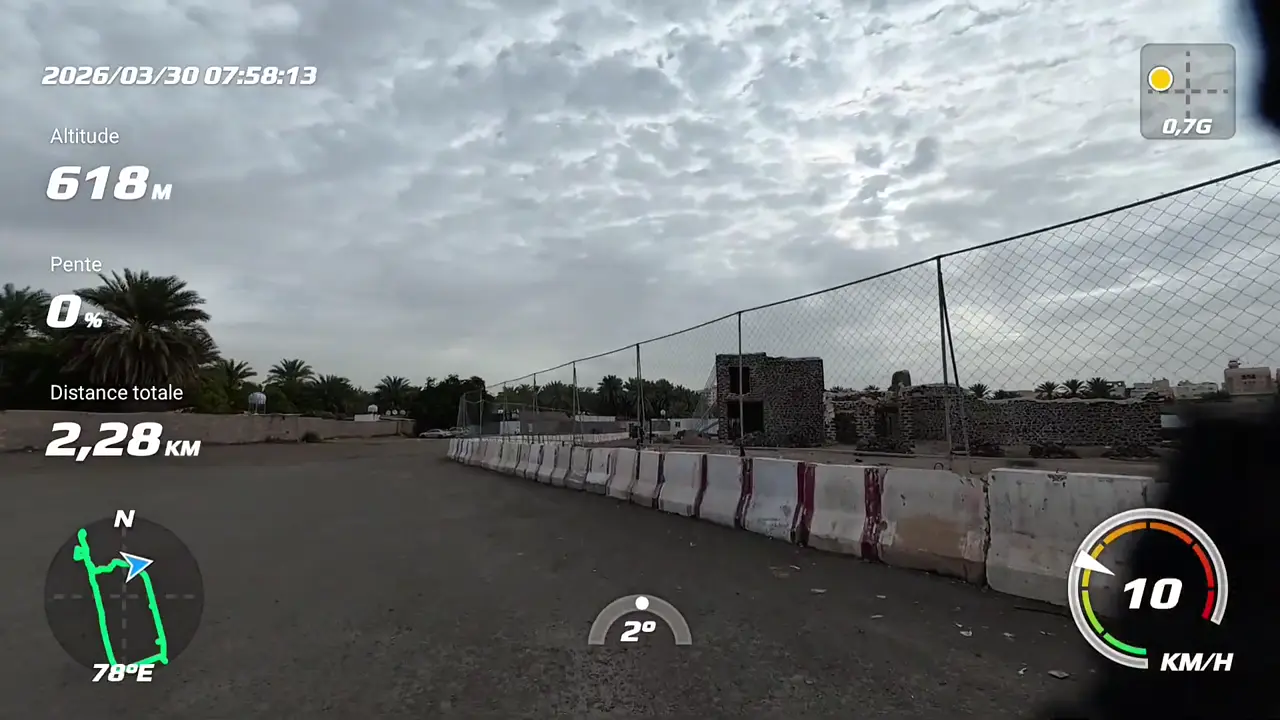
Just opposite, there is a well being restored. It was called the difficult well; after the Prophet ﷺ came by, it was called the easy well. Medina tradition also links it to Abu Salama, one of the first emigrants, who died of the wounds he received at Uhud.
▶ Watch this part (6:56)The well's page
The fort of Ka'b ibn al-Ashraf
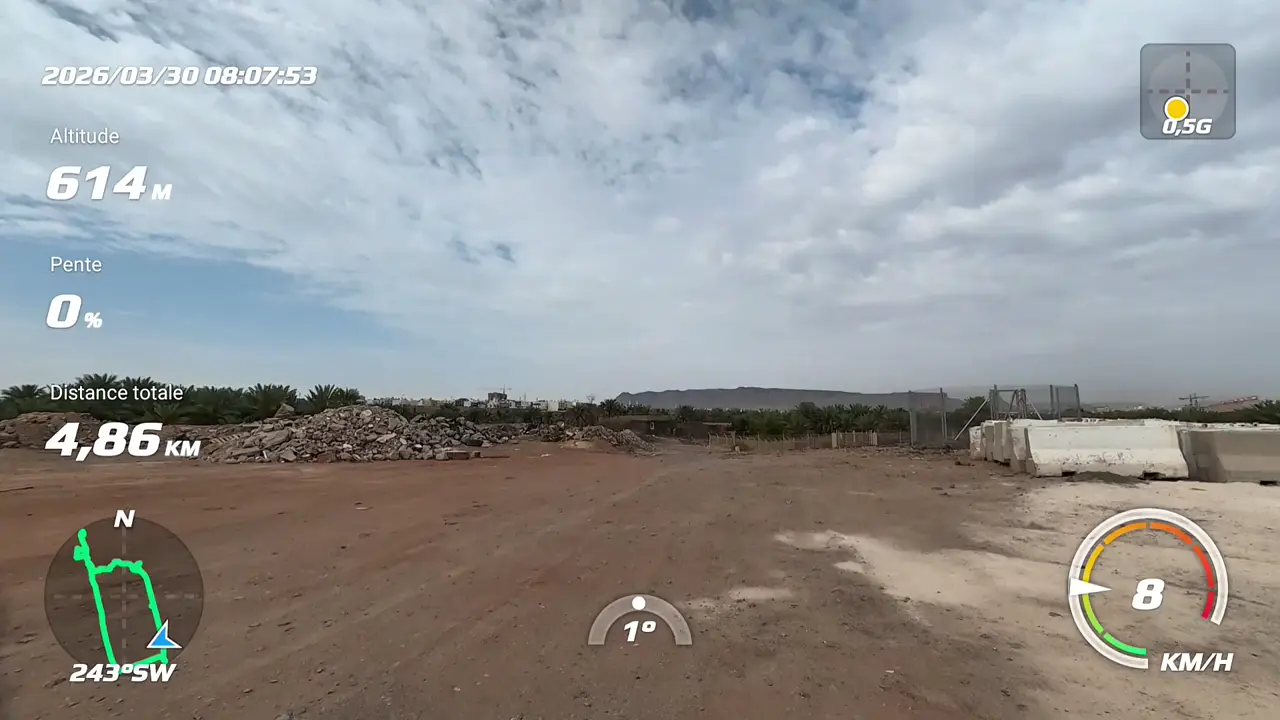
The complete opposite. Ka'b ibn al-Ashraf, a very rich man and a poet, who insulted the Prophet ﷺ and the Muslim women in his verses. After the defeat of Quraysh at Badr, he went to Makkah to mourn their dead and push for revenge, which would lead to Uhud. His fort measured about 40 m by 40, almost impregnable, with its guards. The Prophet ﷺ asked for his harm to be brought to an end; a small group of Companions took care of it on a night of the full moon.
The account of Ka'b ibn al-Ashraf and Muhammad ibn Maslama: Sahih al-Bukhari 4037.
▶ Watch this part (13:00)The fort's page
The wadi, and the view of Jabal Ayr
We set off again across the wadi dam. After the Battle of the Trench, when the Prophet ﷺ laid down his armour, Jibril told him that the angels had not laid theirs down: on to the Banu Qurayzah. Then we come to a brand-new road, with the great mountain of Jabal Ayr opposite, the entrance to Medina, and at its foot the miqat. At the top there are viewpoints, cafes, and 4x4s that drive up.
Jibril and the order to go to the Banu Qurayzah after the Trench: Sahih al-Bukhari 4117.
Stop the timer, start again
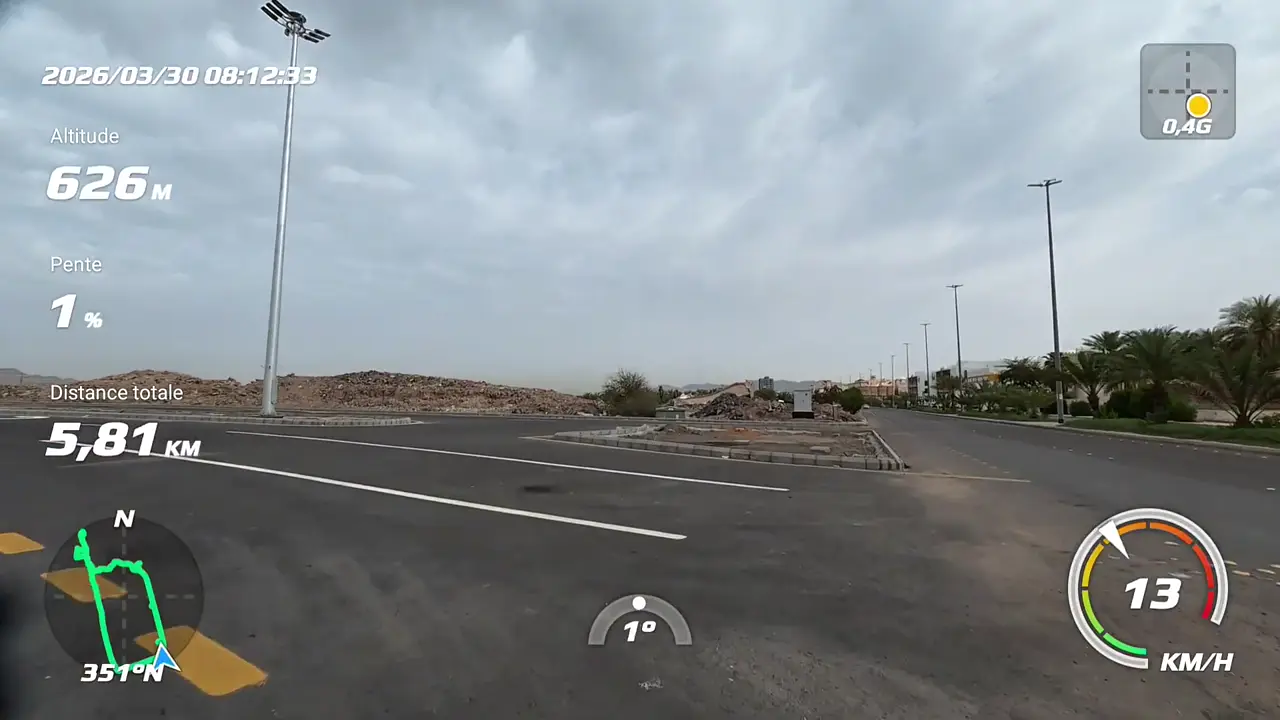
At 30 minutes, I stop on the lane near Quba. Around Quba, the app lets you end the session where you are and start a new one without going to a station. Stop, scan again, and off you go for another 30 minutes. The water company's land, on the left, was also part of Uhayha's estate with its wells.
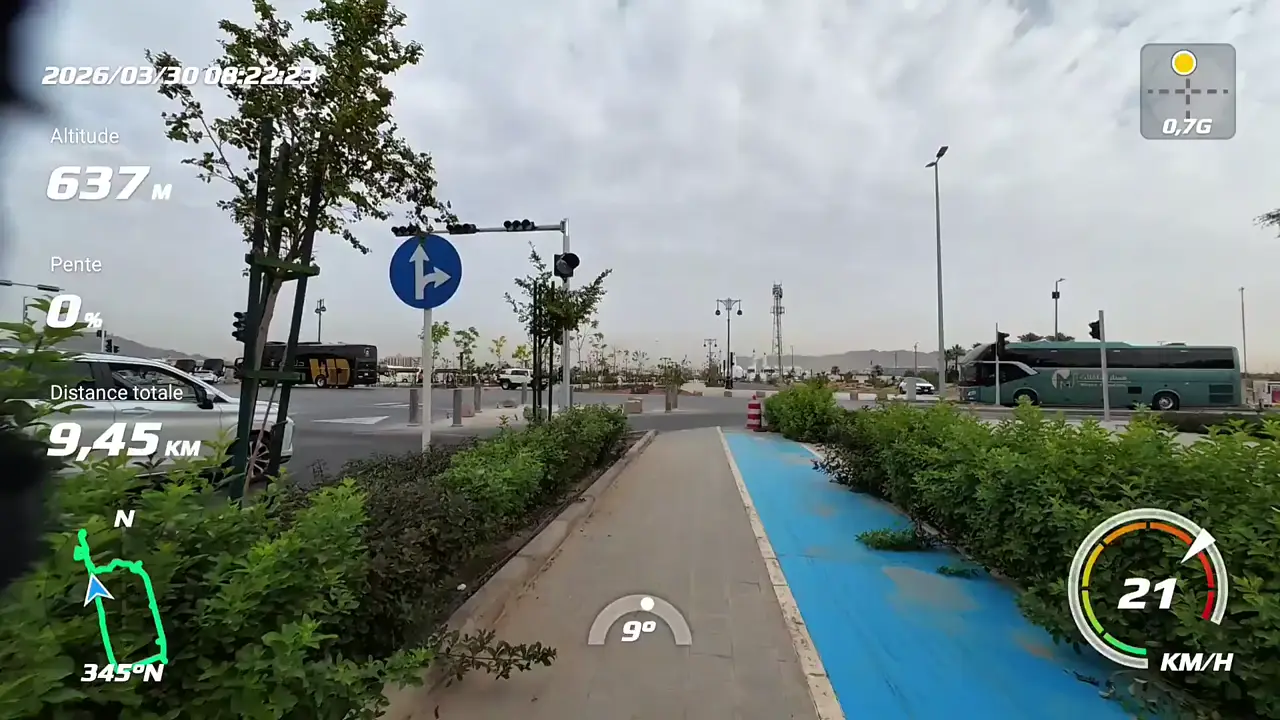
Then we take the Prophet's ﷺ route again: from Quba towards the Prophet's Mosque ﷺ, a long boulevard of about 3 km. It was on a Friday morning that he left Quba on his she-camel.
The Friday mosque
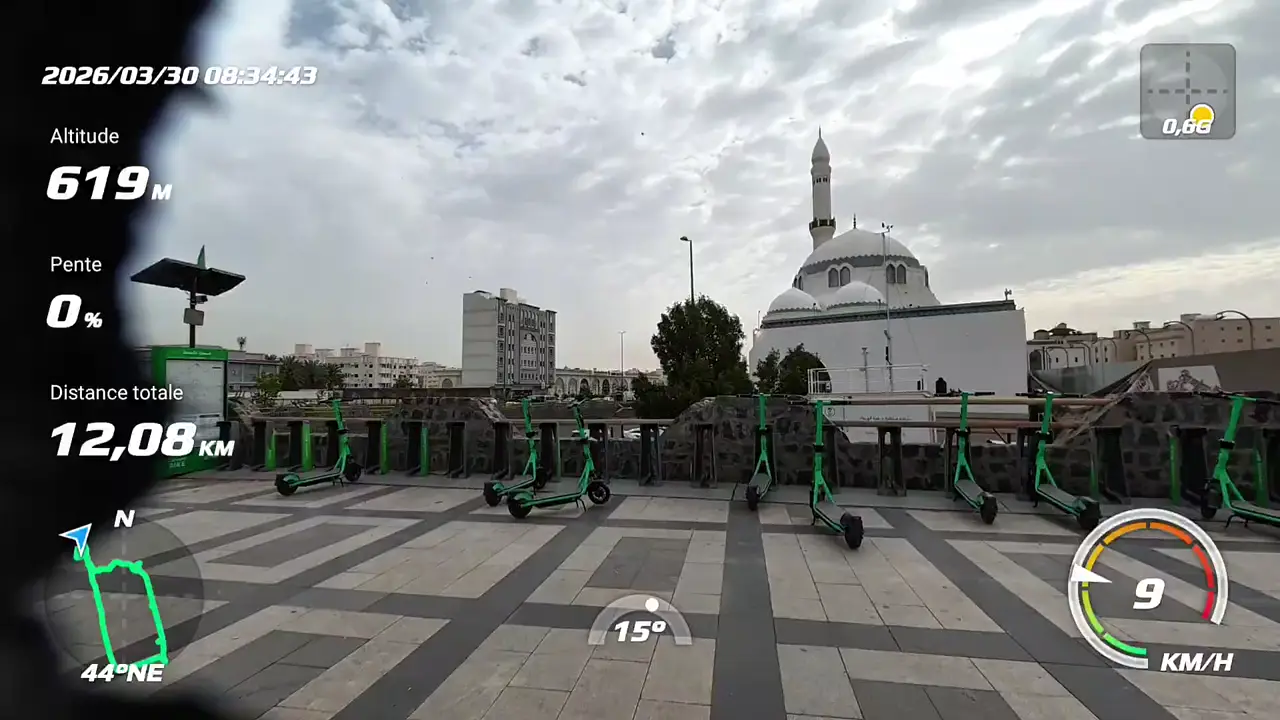
On the way, he passed by the Banu Salim ibn Awf. They asked him to stay. It was time for the Friday prayer, and he led it here, in their wadi: the Prophet's ﷺ first Friday prayer in Medina. The road we take today is 3 m above the old ground level: all of this was a wadi lined with palm trees.
Look at the wells around: they were dug out, every stone removed, cleaned, sorted, then rebuilt exactly as before by craftsmen. There is a bike station right in front: drop off the bike, make sure you end the session, and go and visit. The mosque is open all day at prayer times, with a caretaker.
▶ Watch this part (37:30)The page on the Friday mosque
- 2 sessions of 30 minutes, about 8 km for the first.
- 3 tricky spots: a boulevard with cars after the fort of Ka'b, and two junctions. The rest is on the protected blue lane.
- Cold water fountains on Quba boulevard.
- Just after Quba, the Aliat Mall shopping centre (abayas, qamis, perfumes, supermarket).
- Finish: bike station in front of the Friday mosque.
On-the-ground tip · Abou Ahmed, Medina, April 2026
Cycling in Medina: how it works
- Download the Careem appIt runs the bikes in Medina. It shows you the stations (the green stations) and unlocks the bike when you scan the code.
- Take the one-month subscriptionYou pay by bank card in the app: less than 20 € a month, and you can unlock a bike 60 times, for 30 minutes each time. That is more than enough to do my whole route.
- One session = 30 minutesWatch the timer. Stop before 30 minutes, then start a new session.
- Follow the blue laneIt is separated from the cars. Be careful at the few junctions.
- Make sure you end the session at the finishLeave the bike at a station and check that the app says you have stopped.
Each extra minute is charged, about 0.50 riyal a minute: 10 minutes too many is 5 riyals. I have warned you, so do not say afterwards that it is my fault.
| Careem bike subscription, 1 month (60 unlocks) | less than 20 € |
|---|---|
| Per minute beyond 30 min | ≈ 0.50 SAR |
| Arrival palm grove, adult | 19 SAR |
| Arrival palm grove, child | 15 SAR |
| Quba Mosque, Friday mosque | Free |
| A tea on a terrace | 1 to 2 € |
Recorded on site by Abou Ahmed, February to April 2026. Check the bike price in the app before you set off.
Morning after Fajr is ideal: it is cool. In summer, never in the afternoon. In winter, it is perfect all day.
You need to know how to ride a bike and keep going for about 1 hour. The bikes are electric. With elderly people or small children, it is better to do Quba on foot (part 2).
Water, a cap, closed shoes, a charged phone (the app needs it), and a bag of cat biscuits for the cats of Quba.
Electric scooters can also be hired. And Medina's buses cost less than 0.70 € per journey, but they do not go everywhere.
The 3 videos, uncut
Watch them once before you set off: it is as if I were right next to you.
To go further
Frequently asked questions
How much does a bike tour of Medina cost?
I paid less than 20 € for a one-month subscription, with 60 unlocks of 30 minutes (February to April 2026). Check the current price in the Careem app.
What happens if I go over 30 minutes?
Each extra minute is charged, about 0.50 riyal. End the session before then, and start a new one.
Do you need to be fit?
The bikes are electric, but you need to be able to pedal and keep going for about 1 hour per part. Set off in the morning, never in the afternoon in summer.
Can you do it all in one day?
Yes, by doing the 3 parts one after the other and setting off early. But you do not have to: the subscription lasts a month, so you can do one part a day.
How much is the arrival palm grove in Quba?
19 riyals per adult and 15 per child, in cash or by card. Quba Mosque itself is free.
Updated on 25 October 2026. The next parts (the Trench, Uhud…) are on their way: ask your questions in the comments under my videos. May Allah make your visit easy.